
NIJIN Academy Kenya · Founding team
Build the school they would want to come to.
Join the founding team of NIJIN Academy Kenya: a principal, teachers, dual-career teachers, a business team and volunteers, working together for children who find that school isn’t working for them.
10 to 15 minute form · Remote roles · Founding team

The problem in Kenya
~35%About one in three 15-year-olds skipped a whole day of school in the two weeks before the PISA test.
Kenya took part in PISA for the first time in 2025. Around 35 percent of 15-year-olds said they had skipped a whole day of school at least once in the two weeks before the test, compared with an OECD average of 22 percent.
In the same period, 40 percent skipped at least one class (OECD average: 24 percent). Behind every one of those numbers is a reason, and often more than one. We want to find out, with people who know Kenyan children and families, what NIJIN Academy could look like in Kenya.
Sources: OECD: PISA 2025 country note, Kenya · OECD, PISA 2025 Results (data)
Kenya, up close
Kenya is moving from 8-4-4 to a competency-based system, while the place of home schooling in law is still being debated.
Kenya is replacing the old 8-4-4 system with a competency-based curriculum (CBC, now usually called Competency-Based Education, CBE) built on a 2-6-3-3 structure, so Standard One to Form Four becomes Grade 1 to Grade 12, introduced in phases from the early years. The Kenya Institute of Curriculum Development explains that 8-4-4 was criticised for being examination-oriented. Home schooling is less clear. A September 2026 Capital FM report says it is mentioned in some government documents but not clearly defined, and advocates are pressing for proper legal recognition.
A Kenyan founding team would need to start by listening. Where could an online school fit while the legal picture is still unsettled, and who should we speak with first: national officials, county education offices, school heads or parent networks? Would lessons be in English, Kiswahili, or both, and could other local languages have a place? How many families have a reliable connection and a device, and could community centres or partner schools help those who do not?
Sources: KICD: Frequently asked questions · Capital FM: Homeschooling advocates push for clearer legal recognition in Kenya
What we built in Japan
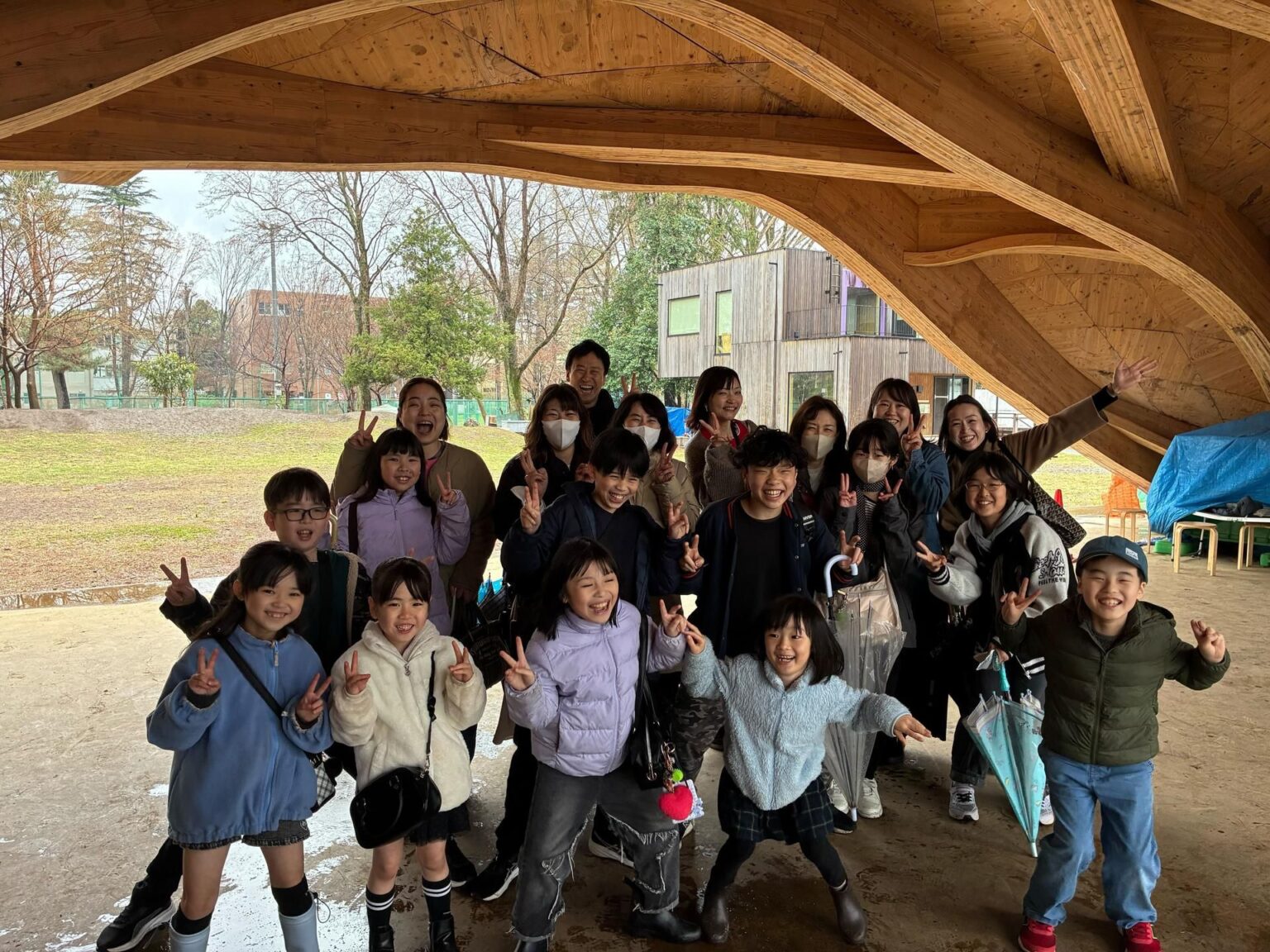
A school that children who had stopped going now want to attend.
Since 2023, more than 1,000 children have joined NIJIN Academy in Japan. Now we want to build it with you in Kenya.
About NIJIN Academy
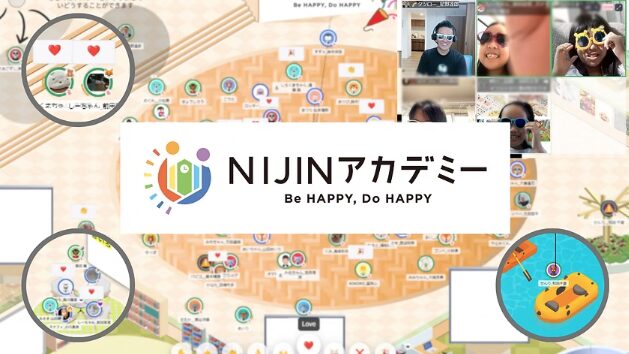
A school that lives on a metaverse campus.
NIJIN Academy is an alternative school in Japan for primary and secondary school learners who do not fit conventional school. Children join from home through a metaverse campus, choose from about 100 live online lessons a month, and can also go to physical classrooms. It is run by NIJIN Inc., founded by Tatsuro Hoshino, who taught at a state primary school in Japan for seven years.
Our working principle is short: don’t blame people, build systems. NIJIN Academy does not claim to be the answer for every family, and we make no promise about results.
Figures published on NIJIN’s official websites. “Attendance recognition” means the child’s registered school counts learning at NIJIN Academy as school attendance.
Watch · Live homeroom
See it as it really is.
Children and teachers meet in live homerooms on the metaverse campus. The video is in Japanese: turn on subtitles, then choose Settings, Subtitles, Auto-translate and English.

Open roles
One team, five roles.
NIJIN Academy Kenya is not open yet. We are forming the founding team now: a leader, teachers children trust, people who build the business around them, and people who lend a hand. Apply from anywhere in Kenya.

Lead the team
Principal and Country Head
Run NIJIN Academy Kenya as a business and lead it as a school. You build the team, the partnerships and the school community.
- Leadership, management and hiring experience
- No teaching background required
- Compensation guide: 10% of NIJIN Academy Kenya revenue (excluding VAT), capped at JPY 50 million

Teach
Teacher (class teacher and live lessons)
Once we open, you would be a class teacher on our metaverse campus and teach live online lessons for children in Kenya who find it hard to go to school.
- Experience teaching or supporting children
- Classroom, special needs and online teachers welcome
- Pay, hours and contract discussed in the interview

Teach and build
Dual-career teacher
Teach a class and take on part of the business: partnerships, events or communications.
- A teacher who also wants to build something new
- Interest in partnerships with schools, county governments or companies
- Pay, hours and contract discussed in the interview

Build
Business team
Help launch NIJIN Academy Kenya: partnerships, communications and marketing, family support and operations.
- No teaching background required
- Experience in partnerships, marketing, operations or community work
- Pay, hours and contract discussed in the interview

Support
Volunteer or pro bono
Give some of your time or professional skills, unpaid: translation, research, events, design or advice.
- Students, professionals and parents welcome
- Days and hours agreed with you
- A good way to get to know the team
Dual-career teachers
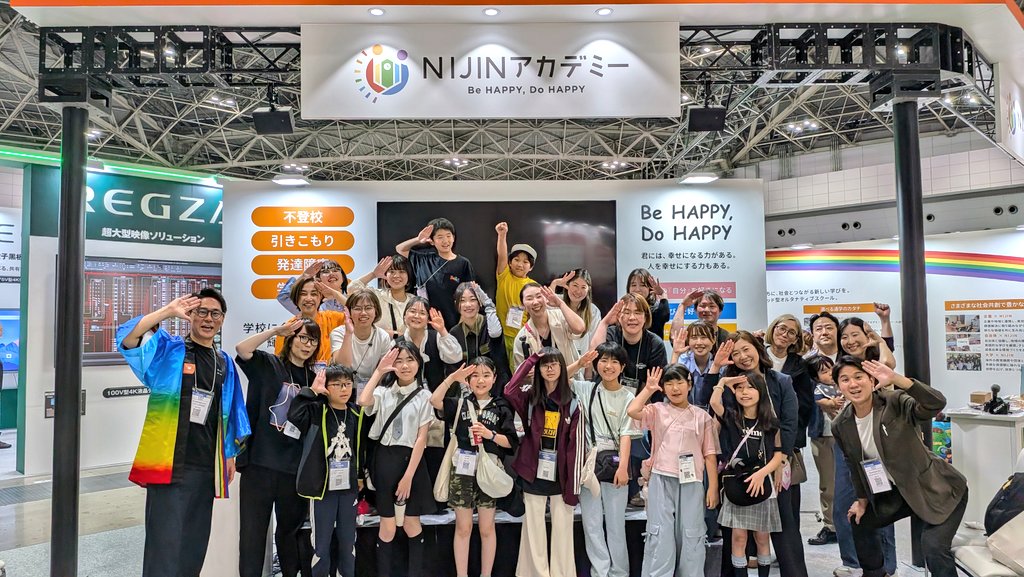
Teach, and change what is around the children.
In Japan, some people at NIJIN work as nitoryu teachers, which means “two swords”. They teach a class and also do business work, such as partnerships with companies and local governments.
Teaching keeps them close to the children. The business work lets them change what is around the children. We want the same in Kenya.

How we work
Remote, with terms agreed with you.
- Remote. The school runs on a metaverse campus and live online lessons. Physical classrooms may come later, and the team will decide that together.
- Terms are agreed with you. For every role except the Country Head, pay, hours and the form of contract are discussed in the interview.
- Children’s safety comes first. Everyone who works with children will need a police clearance certificate (certificate of good conduct) and child-safeguarding training.
- Language. English is enough. Kiswahili, or another language spoken by families in your county, is a real strength, and Japanese is a plus.
How to apply
Three steps to join us.
- Choose a role above and fill in the English application form. It takes about 10 to 15 minutes.
- Send a short self-introduction video of up to five minutes, as an unlisted YouTube link. The form explains how.
- Meet Principal Tatsuro Hoshino one to one, online, on our metaverse campus.
FAQ
Questions and answers
Is it remote?
Yes. The school runs on a metaverse campus and live online lessons, so the roles are remote. Physical classrooms may come later, and the team will decide that together.
Is home schooling legal in Kenya?
It is not clearly defined in law at the moment, and we will not pretend otherwise. A founding team would take advice and talk with the authorities before offering anything to families. We will discuss this openly in the interview.
Would I need to know the competency-based curriculum well?
It would be a real strength. Teachers who have taught the new curriculum could help us see where our way of learning fits and where it does not. If most of your experience is in 8-4-4, you are very welcome too.
Can I apply while I am still working at a school?
Yes, you can apply. Hours and your start date are discussed in the interview, so we can talk about what works alongside your current job.
Do I need to be registered with the Teachers Service Commission?
Not to apply. TSC registration is welcome, and what each role needs is discussed in the interview.
How much will I be paid?
For the Country Head, the guide is 10% of NIJIN Academy Kenya revenue (excluding VAT), capped at JPY 50 million (reached at JPY 500 million in revenue). For the other roles, pay is discussed in the interview. Volunteer and pro bono roles are unpaid.
Is NIJIN Academy Kenya already open?
No. We are forming the founding team. The first members will help decide how and where it starts.
Do I need to speak Japanese?
No. English is enough to apply and to start. Japanese is a plus, because the team in Japan works with you.
Will you build NIJIN Academy Kenya with us?
Choose the role that fits you, apply, and let’s talk.
- NIJIN Academy Kenya: Country Head
- NIJIN Academy in every country
- Careers at NIJIN (English)
- Staff interviews
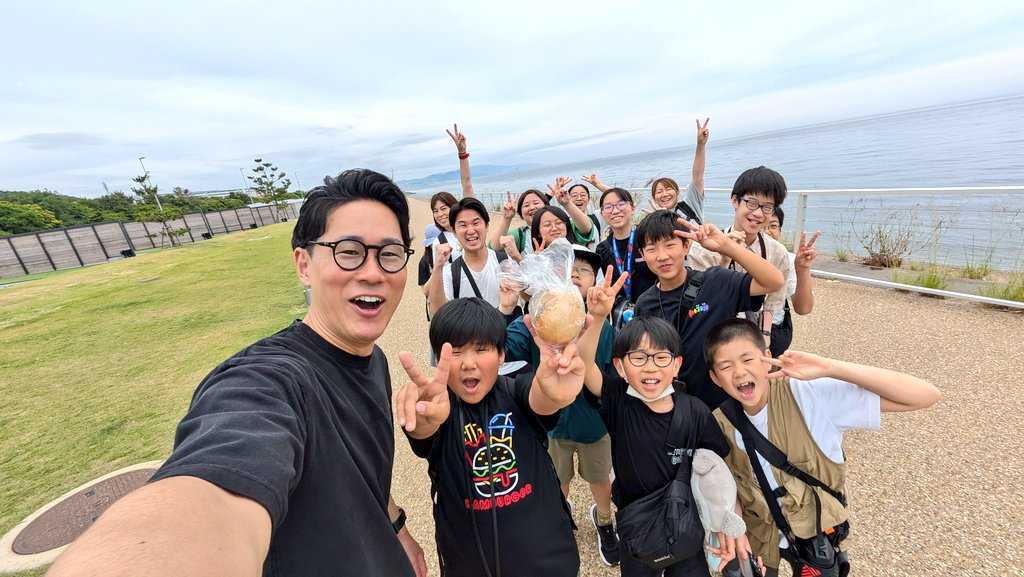
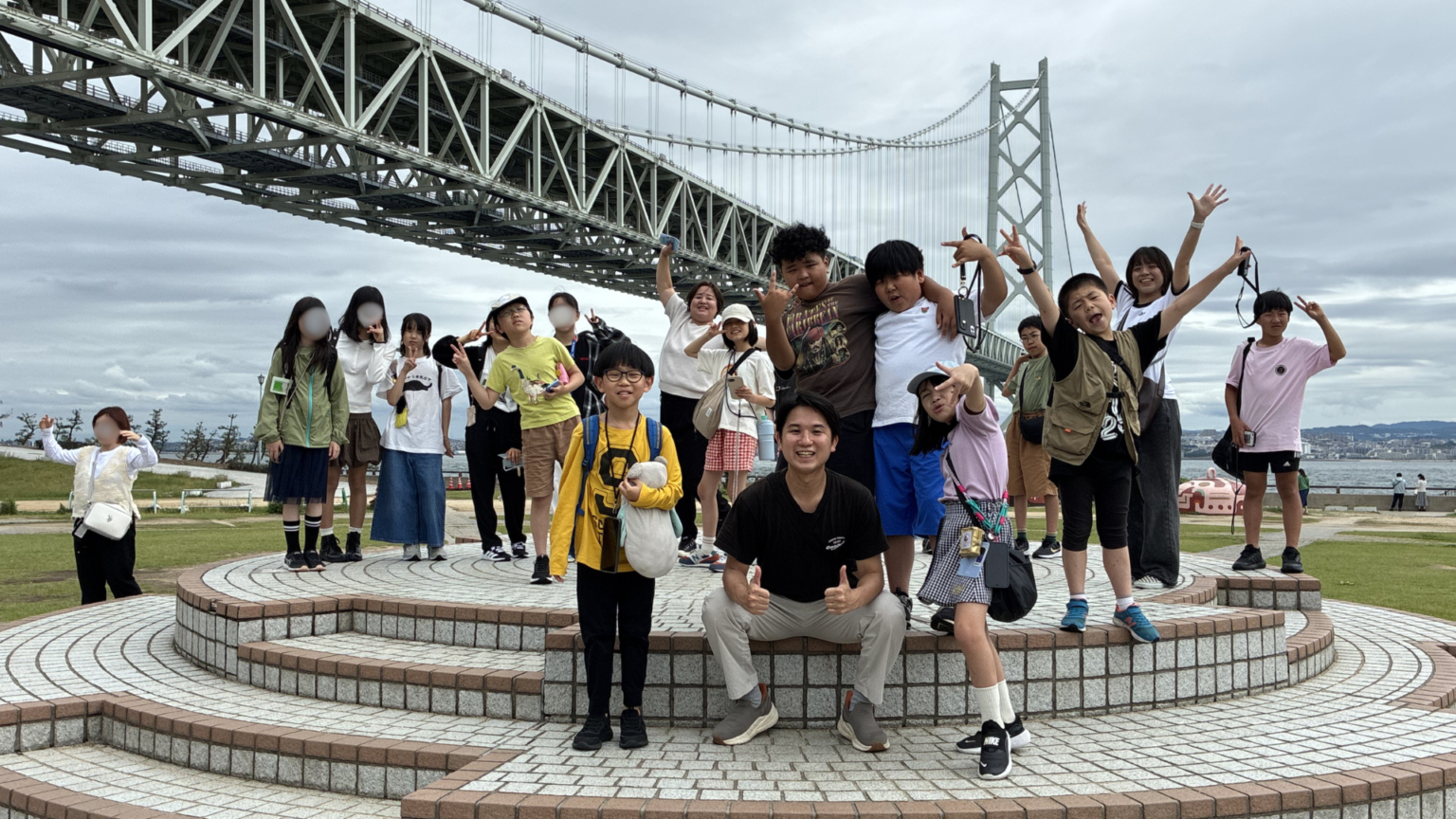
Photos with a caption, and the photos of children with NIJIN staff, are from NIJIN Academy in Japan. The other images on this page are AI-generated illustrations and do not show NIJIN staff or students.