Now recruiting: Country Head
Build NIJIN Academy India, as its business head and its principal
We are looking for one person to start and lead NIJIN Academy in India. Teaching experience is not required. If you have led an organisation and hired people, and you want a challenge that matters, is this you?
Apply for this roleIndia in numbers
A way to start a school in India without starting from zero
If you have searched for how to start a school in India, or looked at education franchise opportunities, this is a different route. NIJIN Academy is not a franchise. You are a co-owner: we set up a local company together, you hold 20% of the shares, and you lead it as its founder.
What NIJIN brings is a working model of an alternative school, online and in person, built with more than 900 children in Japan. What has to be worked out locally, including India’s rules for schools and open schooling, we work out with you.
What NIJIN Academy is
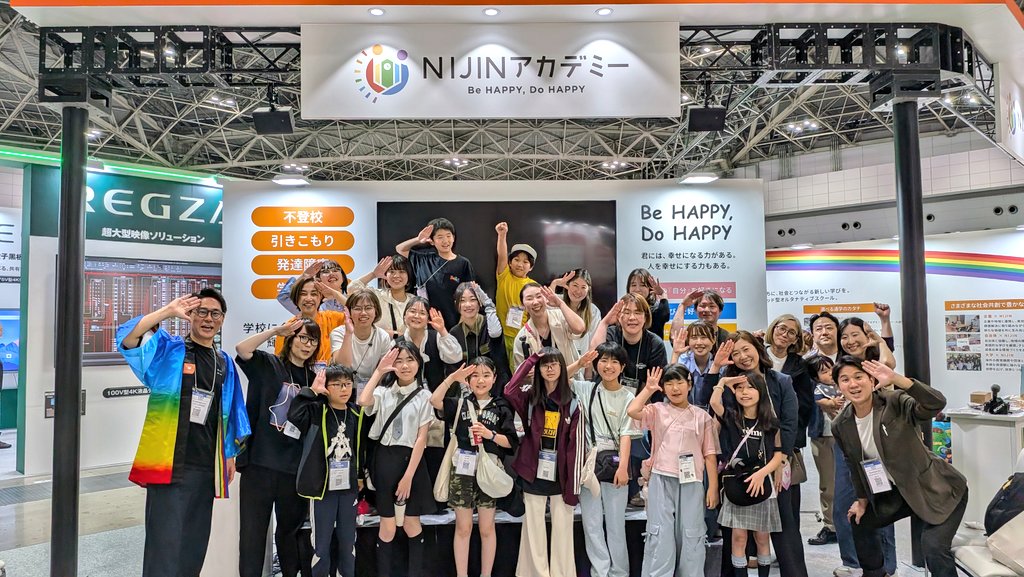
NIJIN Academy is an alternative school in Japan for elementary and junior high school students who do not fit conventional school. Many of them had stopped going to school altogether. It opened in September 2023 and is run by NIJIN Inc., an education company founded by Tatsuro Hoshino. He taught at a public elementary school for seven years, then left to build what he calls another piece of educational infrastructure that stands alongside school.
The model is hybrid. Children attend from home through a metaverse campus, choose from about 100 live online classes a month, and can also go to physical classrooms across Japan. NIJIN describes the academy as one of the largest alternative schools in Japan, and it now runs through to high school age.
Figures are those published on NIJIN’s official websites. “Attendance recognition” means the child’s registered school counts learning at NIJIN Academy as school attendance.
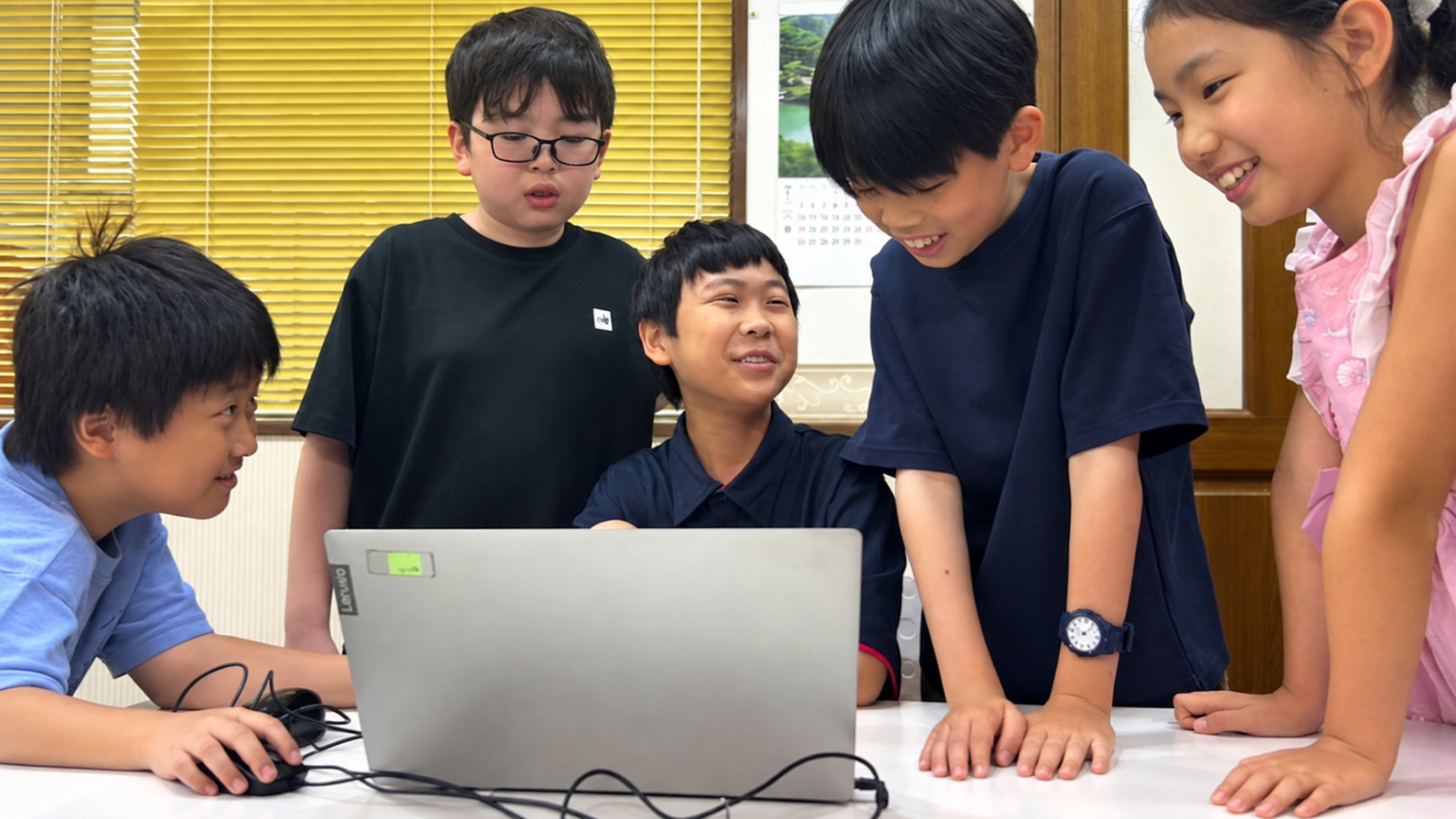
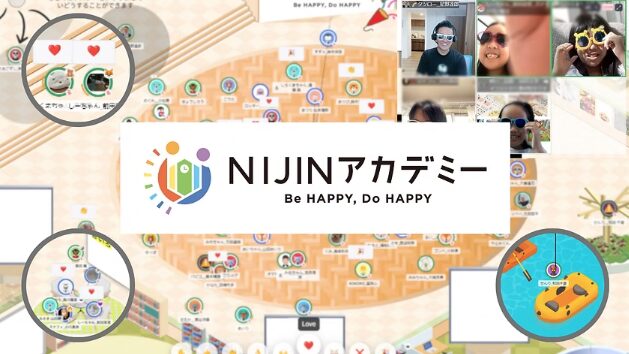
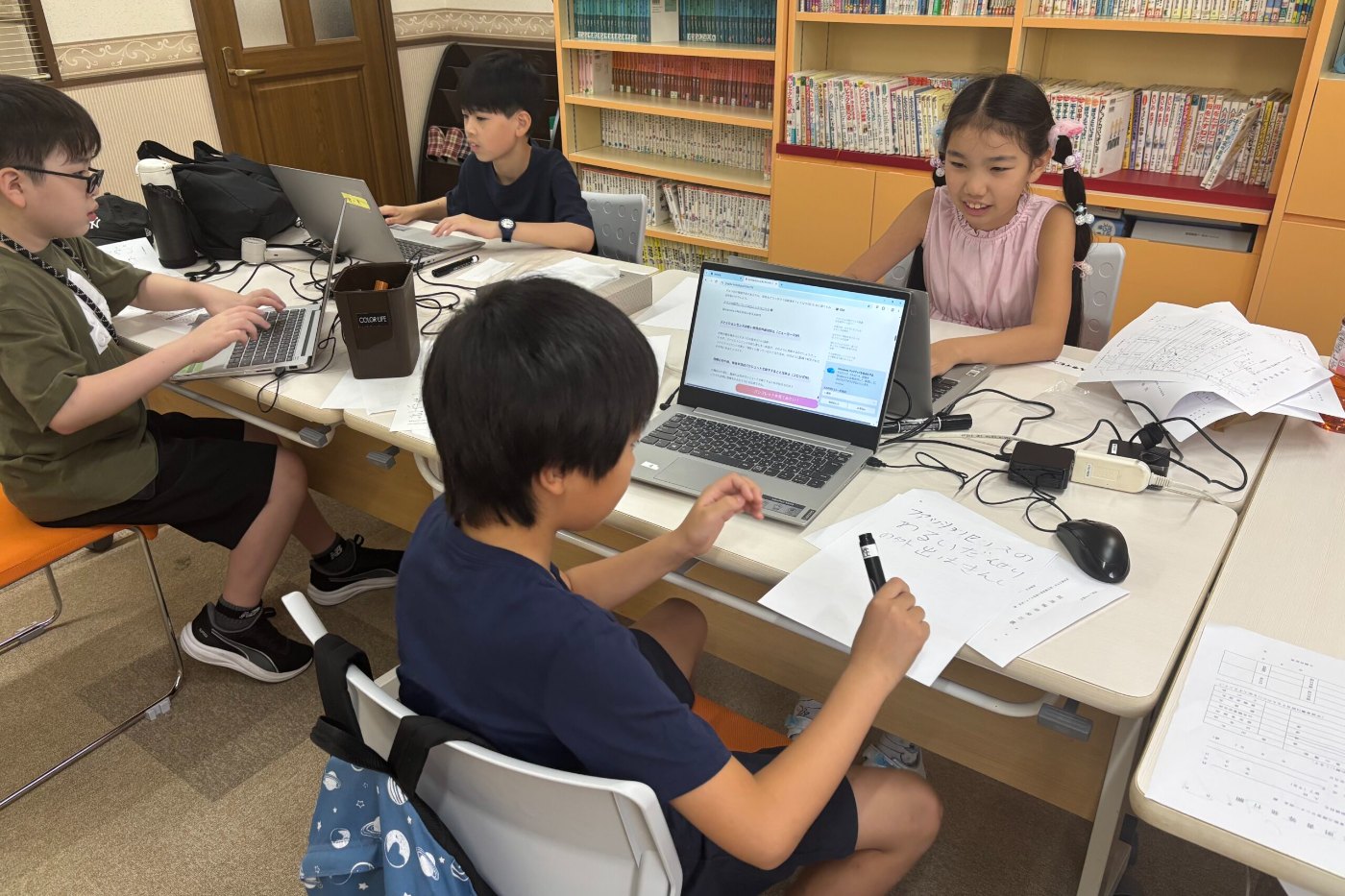
See NIJIN Academy as it really is
CCThe video is in Japanese. To watch in English, turn on subtitles, then open Settings, choose Subtitles, Auto-translate and English.

The school’s motto is “Be HAPPY, Do HAPPY”: everyone has the power to be happy and the power to make others happy. The aim is that children come to like themselves, like learning, and like the society around them. The company’s working principle is just as short: don’t blame people, build systems. A child who stops attending is not the problem, and neither are the parents or the teachers. The system is what has to change. In 2026, according to NIJIN’s website, Hoshino was the only person from Japan named among JCI’s Ten Outstanding Young Persons of the World.
Why India
India has placed children outside school at the centre of national policy. The National Education Policy 2020 cites the NSSO 75th round household survey of 2017–18, which put the number of out-of-school children aged 6 to 17 at 3.22 crore. The policy calls bringing these children back into education, and preventing others from dropping out, a top priority.
The same policy does not assume that a single kind of school is the answer. It speaks of multiple pathways to learning, through both formal and non-formal modes, and of expanding and strengthening open and distance learning offered by the National Institute of Open Schooling and the state open schools. In other words, the idea that some children learn better outside the standard classroom is already written into India’s own direction of travel.
This is where NIJIN Academy may be useful. In Japan it has spent the years since 2023 learning how to run a school that children attend from home and in person, how to keep them coming back, and how to work with the schools they are registered at. We do not assume the Japanese model will work unchanged in India. Education in India is shaped state by state and language by language, and the reasons a child is out of school in one place can be entirely different from the reasons in another. Deciding which children NIJIN Academy India should serve first, and in what form, is the first real piece of work for its head.
Sources:
The role: business head and principal
The Country Head holds two jobs that are usually split between two people. As business head, you are responsible for NIJIN Academy India as an operation: finding the families it serves, hiring and leading the team, and growing its revenue. As principal, you are responsible for it as a school: what children experience each day, how parents are heard, and whether the place is safe and worth coming to.
In India that double role has a particular weight. A country of this size and variety cannot be approached all at once, so the head has to choose: which families, which language, which format, which price a family can sustain. Those are business decisions and school decisions at the same time, which is why we want one person holding both.
You would work with NIJIN in Japan, drawing on what the academy has learned there, and you would be the one who says what fits India and what does not.
Compensation: 10% of revenue, as a guide
The compensation for this role is one formula, stated openly. As a guide, the Country Head receives 10% of revenue, up to a cap of JPY 50 million.
| Revenue (excluding tax) | Country Head’s compensation (10%) |
|---|---|
| JPY 100 million | JPY 10 million |
| JPY 200 million | JPY 20 million |
| JPY 500 million or more | JPY 50 million (cap) |
| No revenue | None under this formula |
Please read this part carefully. The rows above show how the formula works. They are not a forecast and not a promise of income. Compensation is tied to revenue: when there is no revenue, this formula pays nothing. Amounts are stated in Japanese yen only. Revenue here means sales excluding consumption tax (VAT or sales tax). Every other term is discussed in the interview.
If you hand part of the job to someone else. This 10% is the compensation for everything the role requires of a business head and a principal. If you ask someone else to do part of that work, or to supply an ability the role requires, that person is paid out of your 10%.
You build this as a founder, with shares. The plan is to set up a local company for NIJIN Academy in your country together. You hold 20% of the shares and NIJIN holds 80%. As a guide, you invest JPY 1 to 2 million of the starting capital and NIJIN invests JPY 4 to 8 million. We decide the exact amounts with you. That makes the 10% formula a guide, not a fixed pay scale. As the person leading that company, you decide your own compensation as it grows. The details are discussed in the interview.
Who we are looking for
This is a role for a founder. We are looking for someone who wants to start a company in their own country and who wants to solve a problem in education. If both of those are true for you, read on.
Four abilities matter in this role, along with languages:
- Leadership. You can set a direction when nothing has been built yet, and people choose to follow it.
- Management. You can turn that direction into a team, a rhythm of work, and results.
- Business ability. You can run an operation that earns more than it spends, because that is what keeps a school open for its children.
- The skills of a principal. You can earn the trust of children, parents and teachers, and you take responsibility for what happens in the school.
- Languages. Ideally you work in three: the official language of your country, English and Japanese. English alone is fine.
Teaching experience is not required. What carries over directly is experience of managing an organisation and experience of hiring people. If you have built a team, chosen who joins it, and answered for its results, you already know a large part of this job.
For India, we picture someone who has already built and run a team here: in a school group, an education company, a non-profit, or the Indian operation of a business in another field. Someone who has hired at speed without lowering the bar, who can talk as easily with a worried parent as with a partner organisation, and who is not put off by starting from zero.
How it works
- Apply. Use the button on this page.
- Online interview. We talk about you, about NIJIN, and about what an academy in India could be.
- Details in the interview. Form of engagement, location, timing, costs and every other term are not set out on this page. We go through them together in the interview.
Questions and answers
Is NIJIN Academy an education franchise in India?
No. In a franchise you pay to copy a format. Here we set up a local company together, you hold 20% of its shares and NIJIN holds 80%, and you lead it as founder, business head and principal. It is a role for an edupreneur who wants to build an alternative school in India, not to buy one.
Do I need a teaching qualification or classroom experience?
NIJIN does not require teaching experience for this role. Experience of managing an organisation and of hiring is what we value most. What the school itself will need locally is something we work through together.
Which city or state will NIJIN Academy India be based in?
That is not fixed. Location is one of the details discussed in the interview, and your view of where to begin is part of what we want to hear.
Is the compensation paid in rupees?
The formula and its cap are stated in Japanese yen: 10% of revenue, up to JPY 50 million. We do not publish rupee equivalents. Payment details are discussed in the interview.
Is any income guaranteed?
No. As a guide, compensation for this role is 10% of revenue, capped at JPY 50 million. If there is no revenue, the formula pays nothing. The examples on this page (JPY 100 million of revenue gives JPY 10 million; JPY 200 million gives JPY 20 million) only illustrate the calculation.
What about contract type, location, start date and start-up costs?
Contract type, location and start date are not set out on this page. We go through them in the interview. On start-up costs, the guide is that you invest JPY 1 to 2 million and NIJIN invests JPY 4 to 8 million in the local company. You hold 20% of its shares and NIJIN holds 80%.
Which languages do I need? Do I need Japanese?
Ideally three: the official language of your country, English and Japanese. In Taiwan, for example, that would be Mandarin, English and Japanese. But Japanese is not required. English alone is enough to apply and to start.
Will you be the first head of NIJIN Academy India?
If you have led people, hired people, and want to build a school for children who do not fit school, apply, and let’s talk.
Apply for this roleCountry Head roles in other countries
We want a NIJIN Academy in every country. These pages are open now.
Apply
Tell us about yourself in English. We read every application and reply by email.