
For educators and founders in Canada
To start a private school in Canada, first choose your province or territory, because each has its own law: Ontario asks for a yearly Notice of Intention to Operate by September 1 and at least five students; British Columbia runs a year-long, eight-step certification under the Independent School Act; Alberta asks you to register under the Education Act; and Quebec requires a permit, applied for by September 1 of the year before you open. Legal form, building, staff and budget follow from that choice.
This guide is for teachers, principals and education leaders who want to build a school of their own in Canada.
In this article
- Who regulates private schools in Canada
- Private school rules by province: a comparison
- How to open a private school in Ontario
- British Columbia: independent schools and Groups 1 to 4
- Alberta and Quebec
- How to start a private school in Canada, step by step
- How much does it cost to start a private school?
- How to own a private school: three routes
- What NIJIN Academy is
- Online and hybrid schools
- Starting alone, or with a model that already runs
- Questions and answers
Who regulates private schools in Canada
Canada has no national ministry of education for schools. Kindergarten to Grade 12 is the responsibility of each province and territory, and so are the rules for schools that are not run by a public school board. That is why there is no single answer to “how to start a private school in Canada”: there are thirteen answers, one per jurisdiction.
Even the name changes: Ontario and Quebec say “private school”, British Columbia and Alberta say “independent school”. Ontario’s ministry says it provides no funding, licensing or accreditation for private schools; in British Columbia, a school cannot open without a certificate from the Inspector of Independent Schools. So your first decision is where you will open. That sets the minimum enrolment, the paperwork, the deadlines and whether public funding is possible.
Private school rules by province: a comparison
The table summarizes each provincial government’s own pages, checked in November 2026. It is a map, not legal advice; each ministry is the only reliable source for your case.
| Province | Law and name | Minimum students | What you file, and when | Certified teachers? | Public funding? |
|---|---|---|---|---|---|
| Ontario | Education Act; “private school” | 5 or more at or over compulsory school age | Notice of Intention to Operate (NOI) through OnSIS, by September 1, every year | Not required by the Ontario College of Teachers for principals or teachers | No |
| British Columbia | Independent School Act; “independent school” | 10 or more school-age students | Expression of Interest July 1 to September 15, then application, interview and certification for a September opening | The principal must be a teacher; Groups 1 and 2 need all teachers certified | Only for not-for-profit authorities, under the grants policy |
| Alberta | Education Act, s. 29; “independent school” | See the Independent Schools Regulation | Registration, then optional accreditation; operating plan by May 15 each year | Not for registered schools; yes for accredited schools | Only accredited funded schools, after one year without funding |
| Quebec | Act respecting private education; permit | Not stated on the permit page | Permit application through the ETAPE system, by September 1 of the year before opening | Check with the ministry | Separate accreditation for subsidies |
For the other provinces and the territories, start with that jurisdiction’s ministry of education.
How to open a private school in Ontario
Ontario’s system is the lightest to enter. According to the Ministry of Education, a private school must provide instruction at any time between 9 a.m. and 4 p.m. on a school day, have five or more students at or over compulsory school age, and offer elementary or high school courses.
For a new operator, the ministry lists three actions:
- Email the OnSIS helpdesk to request access to the Ontario School Information System and a new-school NOI account.
- Submit the Notice of Intention to Operate electronically through OnSIS by September 1. It records the owner, principal, address and hours of instruction.
- Pay the non-refundable first-year fee by certified cheque or money order to the Minister of Finance (the amount and mailing address are on the ministry’s NOI page).
The NOI is a notice, not a licence. Ontario does not inspect private elementary schools, or high schools that do not offer credits toward the Ontario Secondary School Diploma (OSSD). Non-inspected schools need not follow the Ontario curriculum, but should offer general subjects such as mathematics, science and language.
The bigger decision is whether you want to grant OSSD credits. If you do, the ministry inspects the school against the standard of instruction, the school pays a fee each time, and pre-inspection materials are due by September 1 for credit courses starting in September, December 1 for February, and May 1 for July. Read the Private Schools Policy and Procedures Manual before you plan a Grade 9 to 12 program.
British Columbia: independent schools and Groups 1 to 4
Short answer: To start a private (independent) school in BC, first incorporate an authority in British Columbia, as a society or a company. Any school teaching 10 or more school-age students must be certified by the Inspector of Independent Schools: submit an Expression of Interest between July 1 and September 15, then the application and interview, for a September opening. The principal must be a teacher, and only not-for-profit authorities can receive provincial funding.
British Columbia is the opposite of Ontario: structured, with fixed dates. Any entity offering schooling to 10 or more students, apart from exempted entities, must be certified. The school must be run by an “authority” incorporated in BC, as a society or a company, before you submit your Expression of Interest. Only not-for-profit authorities can receive provincial funding.
| Group | Main conditions (in addition to the basic requirements) | Certificate term |
|---|---|---|
| Group 1 | Non-profit authority; at least 50% “eligible students”; operated for at least a year first; all teachers certified; provincial curriculum time, assessments and exams; per-student operating cost not above the local district’s grant | Up to six years |
| Group 2 | As Group 1, but per-student operating cost is above the local district’s grant | Up to six years |
| Group 3 | At least 50% eligible students; evaluated at least every two years | Up to two years |
| Group 4 | Mainly non-resident or international students; bond or letter of credit required | Up to two years |
New schools that want Group 1 start as Group 2 in their first year. The application follows one annual cycle:
- Expression of Interest (July 1 to September 15). Your authority must already be incorporated.
- Application (by invitation, by October 27). Projected students, finances, facility and staffing.
- Interview (between November 12 and March 15). By invitation only.
- Pre-certification documents (by June 1).
- Interim certification (usually by June 30). Only after this may you market the school and recruit students.
- Opening in September. Mid-year start-ups are not considered.
- External evaluation (in the first fall).
- Certification. Issued once any issues from the evaluation are resolved.
The principal must be a teacher, and everyone working with children must authorize a criminal record check.
Alberta and Quebec
Alberta
Alberta describes three types of independent school. A registered school (Education Act, section 29(1)) receives no government funding and is not required to use certificated teachers or to teach the Alberta programs of study. An accredited, non-funded school must use certificated teachers. An accredited, funded school must use certificated teachers, teach the Alberta programs of study and have a principal who holds a leadership certificate, and, unless exempted, must first operate for at least a year without funding. Every school submits an operating plan by May 15 before the school year.
Quebec
In Quebec, a private institution needs a valid permit to offer educational services under ministerial standards. Applications for a new permit, and for accreditation for subsidies, go through the ministry’s electronic ETAPE system and are due by September 1 of the year before the school opens. The ministry’s permit pages are in French, and the deadline means planning at least a year ahead.
How to start a private school in Canada, step by step
Whatever the province, the order of work is similar. Work backward from the provincial deadlines.
- Name the children you serve. Ages, what is not working for them, and what families do instead. Statistics Canada counted 66,228 home-schooled students in regular programs in 2024/2025, up from 40,608 in 2019/2020.
- Choose the province and the category. Ontario non-inspected or inspected; BC Group 2 or 3; Alberta registered or accredited; Quebec permit.
- Incorporate the right legal body. A non-profit society or a company. In BC, only not-for-profit authorities can receive provincial grants.
- Find a building that may legally be a school. Check zoning and by-laws with the municipality before you sign.
- Hire a principal and staff. Check certification rules for your category, and run criminal record checks on everyone who works with children.
- Write the program and policies. Curriculum or subject outline, timetable, admissions, fees and refunds, complaints, student records.
- File on time. The NOI, the BC EOI and application, the Alberta operating plan or the Quebec permit request. In BC, late or incomplete files are denied.
Want to build a school in Canada, with a model that already runs?
NIJIN is looking for one person to start and lead NIJIN Academy Canada as business head and principal. Teaching experience is not required, and you can begin on a service contract alongside your current work.
See the Country Head role in CanadaHow much does it cost to start a private school?
No single figure would be honest: a small Grade 1 to 6 school in a small town and a Grade 9 to 12 school granting OSSD credits in Toronto are different businesses. What is predictable is what you pay for. Get local quotes for each line before setting tuition.
| Cost item | What it covers |
|---|---|
| Government fees | Ontario first-year NOI fee and per-visit inspection fees; Quebec permit filing; BC Group 4 bond |
| Incorporation and legal | Society or company set-up, bylaws, contracts with parents, privacy policy |
| Premises | Rent or purchase, zoning work, fire and accessibility upgrades, utilities, cleaning |
| Staff | Principal, teachers, payroll costs, criminal record checks, cover for illness |
| Insurance | Liability for accidents involving students, property |
| Program and materials | Books, devices, software licences, science and art supplies |
| Accounting and audit | Bookkeeping; audited statements where your category requires them |
| Admissions and marketing | Website, open houses (in BC, only after interim certification) |
| Working capital | Running the first year, including Alberta’s year without funding for schools seeking it |
The test is the break-even number: total fixed costs per month divided by (tuition per student minus per-student costs). Then run it again at 60% of the enrolment you expect, because new schools rarely open full. For funding options beyond tuition, see how to raise funds for a school.
How to own a private school: three routes
People who search “how to own a private school” usually mean one of three routes. Found one alone: you control everything, and every problem, including the provincial file, is yours to solve for the first time. Take over an existing school: you inherit students and a record, but a transfer may need ministry approval; BC asks authorities to contact it well before any transfer. Co-found with an existing model: you lead locally with a tested program behind you, and share decisions and revenue. Compare them in franchise vs your own business.
What NIJIN Academy is
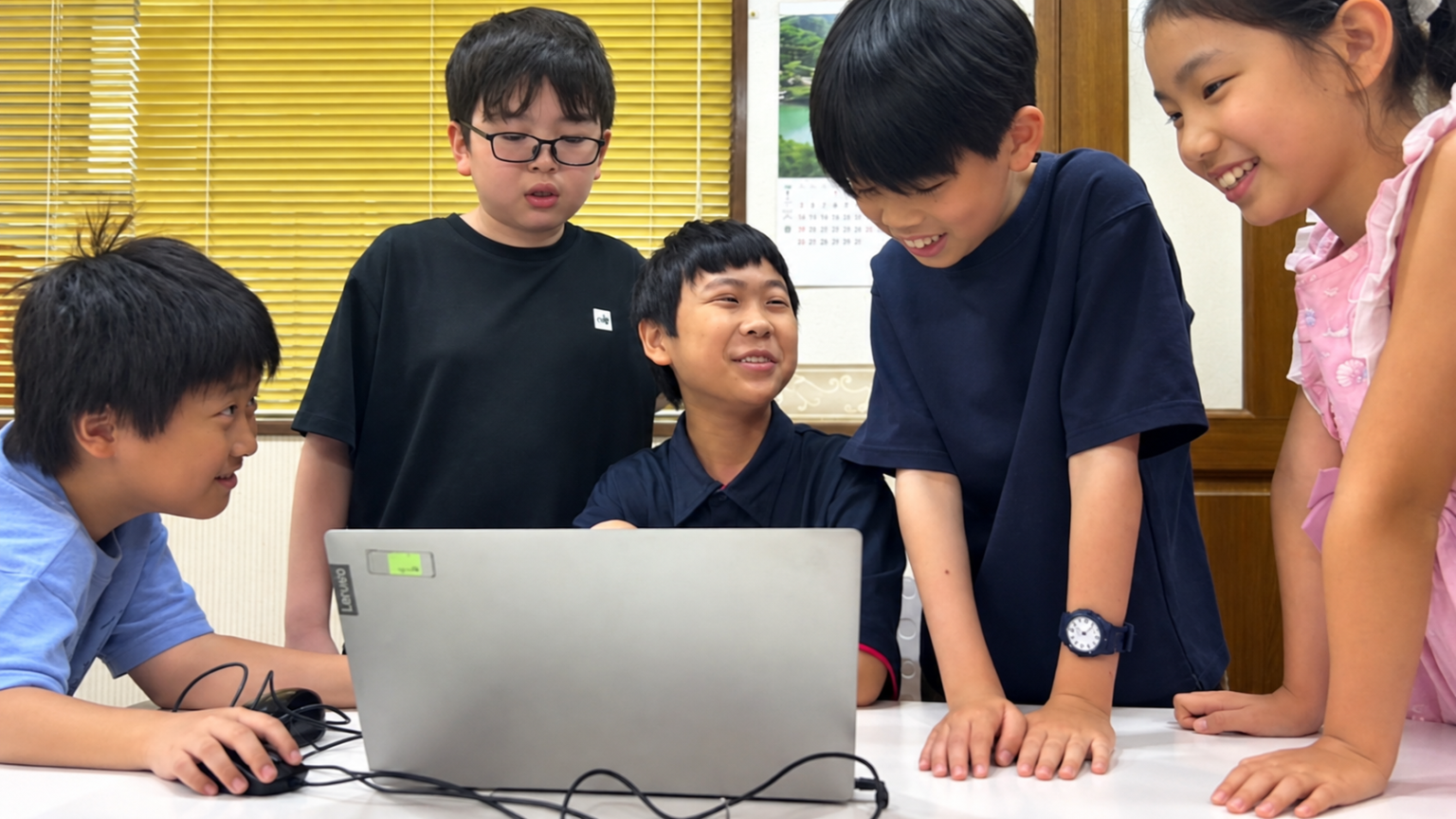
NIJIN Academy is an alternative school in Japan for children who do not fit conventional school; many had stopped going altogether. It opened in September 2023, is run by NIJIN Inc., founded by former public elementary school teacher Tatsuro Hoshino, and is described by NIJIN as one of the largest alternative schools in Japan.
Figures are those published by NIJIN. “Attendance recognition” means the school a child is registered at counts learning at NIJIN Academy as school attendance.
Classes are small and built on dialogue, under a simple principle: don’t blame people, build systems.
Online and hybrid schools
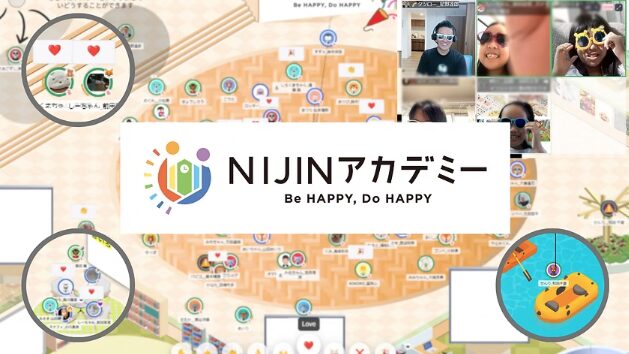
Many founders now want a school that is partly online. Here the provinces again differ. British Columbia says it is not currently entering into any additional Provincial Online Learning School Agreements. Ontario publishes a pre-inspection report addendum for online schools seeking to grant OSSD credits. Elsewhere, ask the ministry where an online student is legally enrolled and who inspects the program.
Which form NIJIN Academy would take in Canada, and under which province’s rules, has not been decided; that is part of the Country Head’s work. See also how to start a hybrid school.
Starting alone, or with a model that already runs
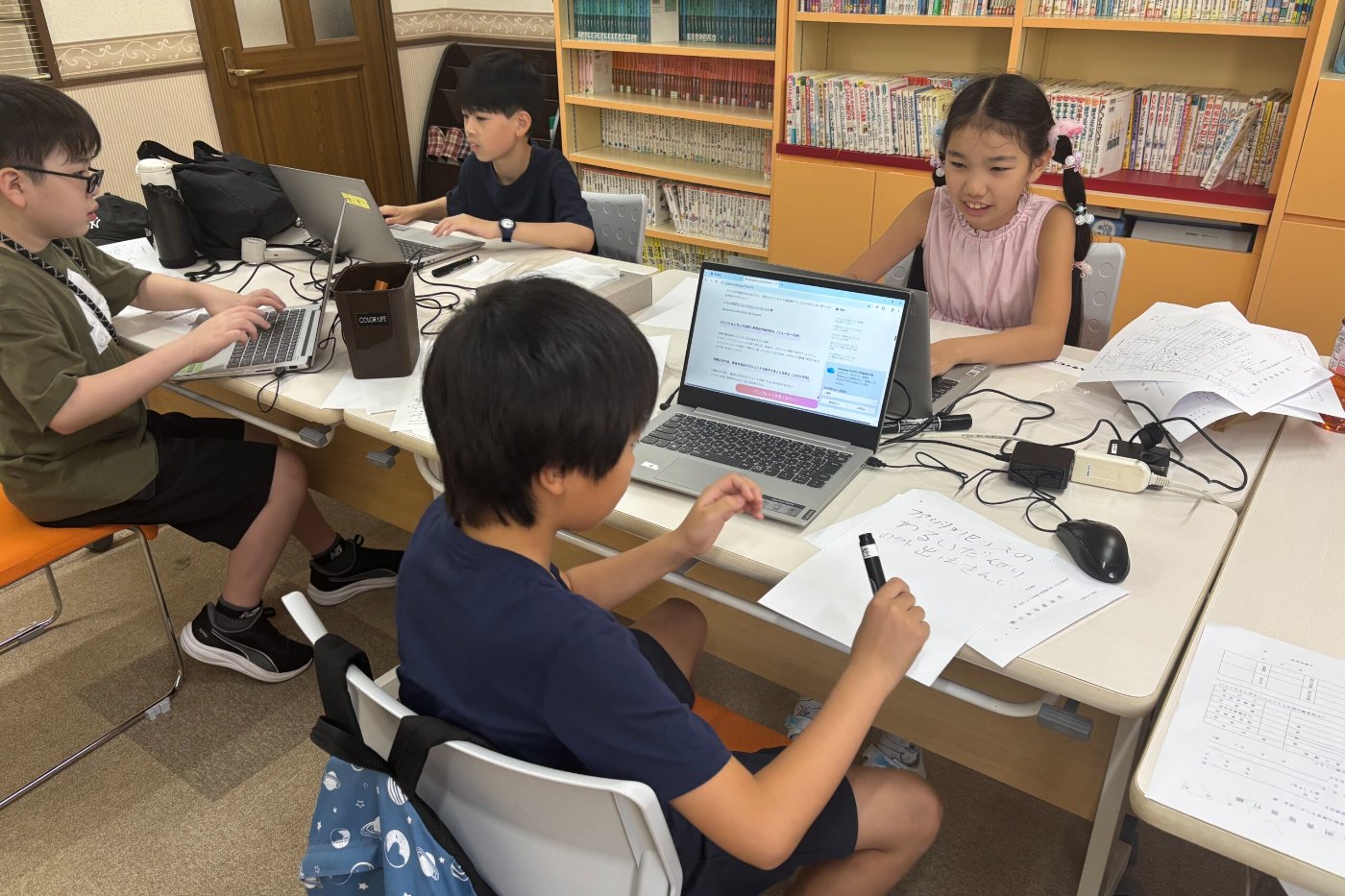
Starting alone gives you full freedom and full workload. Many teachers and principals have the instincts for a school but are less sure about incorporation, budgets and enrolment. NIJIN’s Country Head role is built for that gap.
The Country Head starts NIJIN Academy Canada and leads it as both business head and principal. It is not a franchise: you do not buy a brand package. You can start on a service contract, even as a side job alongside your current teaching or leadership work, and decide later whether to become a co-owner of a local company (for example, 20% for you and 80% for NIJIN). Investment is optional. If you do invest, the guide is JPY 1 to 2 million from you and JPY 4 to 8 million from NIJIN, decided together.
Compensation is 10% of revenue (excluding tax), as a guide: JPY 100 million of revenue gives JPY 10 million, JPY 200 million gives JPY 20 million, and the cap is JPY 50 million at JPY 500 million or more.
A guide, not a forecast or a promise of income. When there is no revenue, the formula pays nothing. If you ask someone else to do part of the role, they are paid out of your 10%. The guide is the same on a service contract or as a co-owner. Amounts are in Japanese yen only; every other term is discussed in the interview.
NIJIN looks for leadership, management, business ability and a principal’s skills; experience of managing and hiring carries over directly. French and Japanese would be strengths, but English alone is enough to apply.
Questions and answers
How do I open a private school in Ontario?
Request an OnSIS account, submit a Notice of Intention to Operate by September 1, pay the first-year fee, and have at least five students of compulsory school age. To grant OSSD credits, you also need ministry inspection.
How do I start a private school in general?
Start with the authority that regulates schools where you will open, then follow the seven steps above. The US version of this question is covered in how to start a private school in the US.
How much does it cost to start a private school?
It depends on the province, grades and city, so we give no figure. Premises and staff are the main costs, then government fees, legal set-up, insurance, materials and a year of working capital.
Do I need to be a certified teacher to start a private school in Canada?
Not always. Ontario does not require Ontario College of Teachers certification; in BC the principal must be a teacher; in Alberta, accredited schools need certificated teachers but registered schools do not.
How can I own a private school?
Found one, take over an existing one (with ministry approval where needed), or co-found the local school of an existing model.
Is the NIJIN Academy Canada Country Head role a job or a business?
It is closer to founding a business: you lead as business head and principal, with 10% of revenue as a guide. You can start on a service contract without investing. Other terms are discussed in the interview.
Lead NIJIN Academy Canada
If you want to build a school in Canada for children who do not fit the usual one, and you have led and hired a team, read the role and apply. Teaching experience is not required, and investment is optional.
Where to go next
- Homeschooling in Canada: Laws by Province and Statistics
- Canada
- Country Head (global)
- United States
- United Kingdom
- Australia
- NIJIN careers in English
Related guides for founders
- How to start a private school in the US
- How to start a microschool: 7 steps for founders
- How to start a school in Australia
- How to start a private school in Kenya
- How to start a homeschool co-op
- How to start an education business
Sources
Provincial rules were checked on the official pages below in November 2026. Please check the originals for later changes.
- https://www.ontario.ca/page/private-schools
- https://www.ontario.ca/page/private-schools-notice-intention-operate-private-school
- https://www.ontario.ca/page/private-schools-policy-and-procedures-manual-0
- https://www2.gov.bc.ca/gov/content/education-training/k-12/administration/legislation-policy/independent-schools/establishing-an-independent-school
- https://www2.gov.bc.ca/gov/content/education-training/k-12/administration/legislation-policy/independent-schools/classification-of-independent-schools
- https://www.alberta.ca/private-schools
- https://www.quebec.ca/education/prescolaire-primaire-et-secondaire/administration-encadrements/obligations-etablissements-enseignement-prives/demander-un-permis
- https://www150.statcan.gc.ca/t1/tbl1/en/tv.action?pid=3710017801
- https://nijin.co.jp/recruit/nijin-academy-canada-country-head/