For education founders in Kenya
To start a private school in Kenya, you register two different things: the business that will own the school, with the Business Registration Service (BRS) through eCitizen, and the school itself, by applying to the County Education Board under the Basic Education Act 2013. Only the second lets you teach, and it begins as a provisional registration for one year.
Below: what the Act says, section by section, the order of steps, the documents, how kindergartens differ, where CBC/CBE fits, and the cost items to price in your county.
This article is general information, not legal or tax advice. Procedures, forms and fees change. Confirm every requirement with your County Director of Education and, where needed, a Kenyan advocate.
In this article
- What the Basic Education Act 2013 says about private schools
- Two registrations: your business and your school
- How to register a private school in Kenya, step by step
- Requirements to start a private school in Kenya
- Starting a kindergarten or a primary school
- Which curriculum: CBC/CBE and the 2:6:3:3 structure
- How much does it cost to start a private school in Kenya?
- How to run a private school successfully in Kenya
- The children a new school could reach
- What NIJIN Academy is
- Start alone, buy a franchise, or co-found
- Another route: lead NIJIN Academy Kenya
- Questions and answers
What the Basic Education Act 2013 says about private schools
The Basic Education Act (No. 14 of 2013, now Cap. 211 on Kenya Law) is the starting point. These are the provisions a founder actually meets, from the consolidated text on Kenya Law.
| Section | What it says | What it means for you |
|---|---|---|
| s. 49 | Any person may establish and maintain a private school, subject to the Constitution and the Act | You do not need to be a teacher to own a school |
| s. 50(1) | A person shall not establish or maintain a private school unless it is registered under the Act | No teaching before registration |
| s. 50(2) | No registration if the proprietor is disqualified under Chapter Six of the Constitution, a teacher is not registered by the Teachers Service Commission (TSC), the premises are unsuitable, or the proprietor or manager has a conviction for a crime against children | Your people and building are checked, not only papers |
| s. 50(3) | Registration is provisional for one year, renewable once, until the school is quality assured and the proprietor is told in writing that it is final | Plan for inspection after opening |
| s. 50(4) | Running an unregistered school, or presenting a provisional one as fully registered, is an offence punishable by a fine, imprisonment or both | Say “provisionally registered” until it is final |
| s. 76 | Apply “in the prescribed manner” to the County Education Board, which notifies the applicant within thirty days; a refusal can be appealed to the Education Appeals Tribunal within thirty days (s. 77, s. 85) | The County Education Board is your door |
| s. 82 | The Education Standards and Quality Assurance Council assesses the application; the Board registers only if staffing, facilities, premises, health and safety and equipment meet the norms | Be ready before the inspection |
Easy to miss: the Act’s definition of “school” includes alternative approaches such as multi-grade classes, out-of-school programmes, distance instruction and accelerated learning. A small or unusual school still needs registration.
Two registrations: your business and your school
“Registering a school” in Kenya is at least two acts, by different offices.
| Business registration | School registration | |
|---|---|---|
| Who handles it | Business Registration Service, Companies Registry | County Education Board, with the Education Standards and Quality Assurance Council |
| Which law | Companies Act 2015; Registration of Business Names Act (Cap. 499); Limited Liability Partnerships Act 2011 | Basic Education Act 2013 and the Basic Education Regulations 2015 |
| What it answers | Does the owner of the school legally exist? | May this school, at this address, with these teachers, teach children? |
| Where you apply | Online, through an eCitizen account | The county education office, followed by inspection of the premises |
| Is it a licence to teach? | No | Yes, once registered (provisionally at first) |
Two BRS naming rules matter: a private company’s name must end with “Limited” or “Ltd”, and a name should not start with “Kenya”, which is reserved for government-owned entities. The Ministry of Education’s older “Basic Standard Requirements for Registration” document puts the key point bluntly: a business certificate “is not a license to operate” a school.
How to register a private school in Kenya, step by step
The Basic Education Regulations 2015 say no one may admit learners “without first obtaining written authority from the Cabinet Secretary”, following guidelines the Cabinet Secretary issues. The Ministry’s Junior Secondary guidelines name them: the Registration Guidelines for Basic Education Institutions (MoE, 2021). Ask your county office for that document and the current forms.
- Decide what you are opening. Level, day or boarding, and curriculum. Each changes what is inspected.
- Visit the County Director of Education. The Director is secretary to the County Education Board. Get the guidelines, forms, facility standards and fees in writing before choosing a site.
- Register the owner with BRS. Business name, private limited company or another form, through eCitizen.
- Secure premises that can pass inspection. Title deed or lease, plans, and a building that meets health and safety rules.
- Recruit TSC-registered teachers and a head. Section 50(2)(b) bars registration if a teacher is not registered by the TSC.
- Submit the application. With the contents listed in section 83 and the prescribed fees (section 80).
- Inspection and decision. Quality assurance assesses the school and reports to the Board.
- Provisional registration, then final. One year, renewable once, then final after quality assurance.
Requirements to start a private school in Kenya
Section 83 of the Act sets the minimum content of the application. Use it as your checklist:
- Name, physical, postal and electronic addresses of the proposed school
- Governance and management structure, and the qualifications and experience of the promoters and managers
- The aims of the school, its programmes of instruction and courses of study
- Number, qualifications and competence of teachers and non-teaching staff
- Suitable infrastructure and appropriate equipment
- A statement of financial ability
- Anything else prescribed in regulations or the current guidelines
The Ministry’s older requirements document (written under the repealed Education Act, so a guide to the kind of paperwork, not today’s rules) also listed a site approval letter, inspection and public health reports, a title deed or lease, teachers’ and TSC certificates, the business certificate and an approved architect’s plan. Confirm the current list with your county.
Starting a kindergarten or a primary school
Kindergarten (pre-primary). Pre-primary centres fall under the Early Childhood Education Act 2021. Under section 13 you apply to the County Education Board with, among other things: your registration certificate or company memorandum and articles; forms for the management and head teacher; a sub-county inspection report; a public health report; a title deed, allotment letter or lease of at least five years; teachers’ certificates and TSC registration; and the fees. Provisional registration lasts twelve months (section 15), with a county quality assurance review within that time (section 16).
Primary school. A primary school is registered under the Basic Education Act as above and, under the 2:6:3:3 structure below, covers Grades 1 to 6. If you plan to start small and add classes, ask early: the Ministry’s older document listed adding a class and moving site among changes needing re-registration.
Have you already led a school or a team in Kenya?
NIJIN, a Japanese education company, is looking for one person to start and lead NIJIN Academy Kenya as business head and principal. It is not a franchise, investment is optional, and you can begin on a service contract alongside your current work.
See the Country Head role in KenyaWhich curriculum: CBC/CBE and the 2:6:3:3 structure
Section 52 of the Act requires a private school to “comply with and follow the approved curriculum”, recruit registered teachers and keep a data bank on its pupils. The national curriculum is competency based; the Kenya Institute of Curriculum Development (KICD) calls it CBE in its 2026 news and publishes curriculum designs from PP1 to Grade 12.
The Ministry’s Junior Secondary guidelines describe the structure set by the Basic Education Curriculum Framework (2017):
| Level | Years | Grades |
|---|---|---|
| Pre-primary | 2 | PP1, PP2 |
| Lower primary | 3 | Grades 1 to 3 |
| Upper primary | 3 | Grades 4 to 6 |
| Junior secondary school | 3 | Grades 7 to 9 (learners aged about 12 to 14) |
| Senior secondary school | 3 | Grades 10 to 12 |
The same guidelines say junior secondary schools are registered through the Registration Guidelines for Basic Education Institutions and are categorised only as public or private. Planning an international or mixed curriculum? Ask the county office and KICD how it is registered before advertising it; we could not confirm those rules on an official page.
How much does it cost to start a private school in Kenya?
We do not print a figure: rent in Westlands and in Kakamega have little in common. What is stable is the list of items. Registration fees are “prescribed” (section 80), so get current amounts from the county office.
| Item | What it covers | One-off or recurring |
|---|---|---|
| Registration | BRS fees through eCitizen; prescribed school application, inspection and registration fees; professional help | One-off, plus changes and renewals |
| Premises | Lease or land, architect’s plans, works to meet health, safety and building standards | Both |
| Staff | TSC-registered teachers, head teacher, support staff, cover for absence | Monthly |
| Curriculum materials | Approved textbooks and learning materials, devices, play equipment | Mostly one-off, renewed each year |
| Running costs | Electricity, water, internet, cleaning, security, maintenance | Monthly |
| Reserve | Salaries and rent for the months before enrolment fills, including the provisional year | Set aside |
The break-even arithmetic, and a longer list of what to price, is in our guide to starting a private school in Nigeria; the method carries over. For where the money can come from, see how to raise funds for a school.
How to run a private school successfully in Kenya
Start with the duties section 52 puts on every private school.
- Keep your pupil data bank current and submit it to the Cabinet Secretary.
- Be ready to show progress. The Cabinet Secretary may ask for evidence that pupils are making reasonable progress, based on nationally recognised standardised tests.
- Ask before you change. Adding classes, moving site, changing ownership or name: check whether re-registration is needed first.
- Hire for trust. Parents choose the head teacher as much as the building.
- Publish fees and dates in writing, and decide in advance how you handle arrears.
The children a new school could reach
The need is documented. The World Bank’s Kenya Learning Poverty Brief (April 2024) reports that 79 percent of children at late primary age are not proficient in reading, adjusted for out-of-school children, and that 19 percent of primary school-aged children are not enrolled. UNICEF Kenya reports 1.13 million children of primary school age (6 to 13) out of school.
What NIJIN Academy is
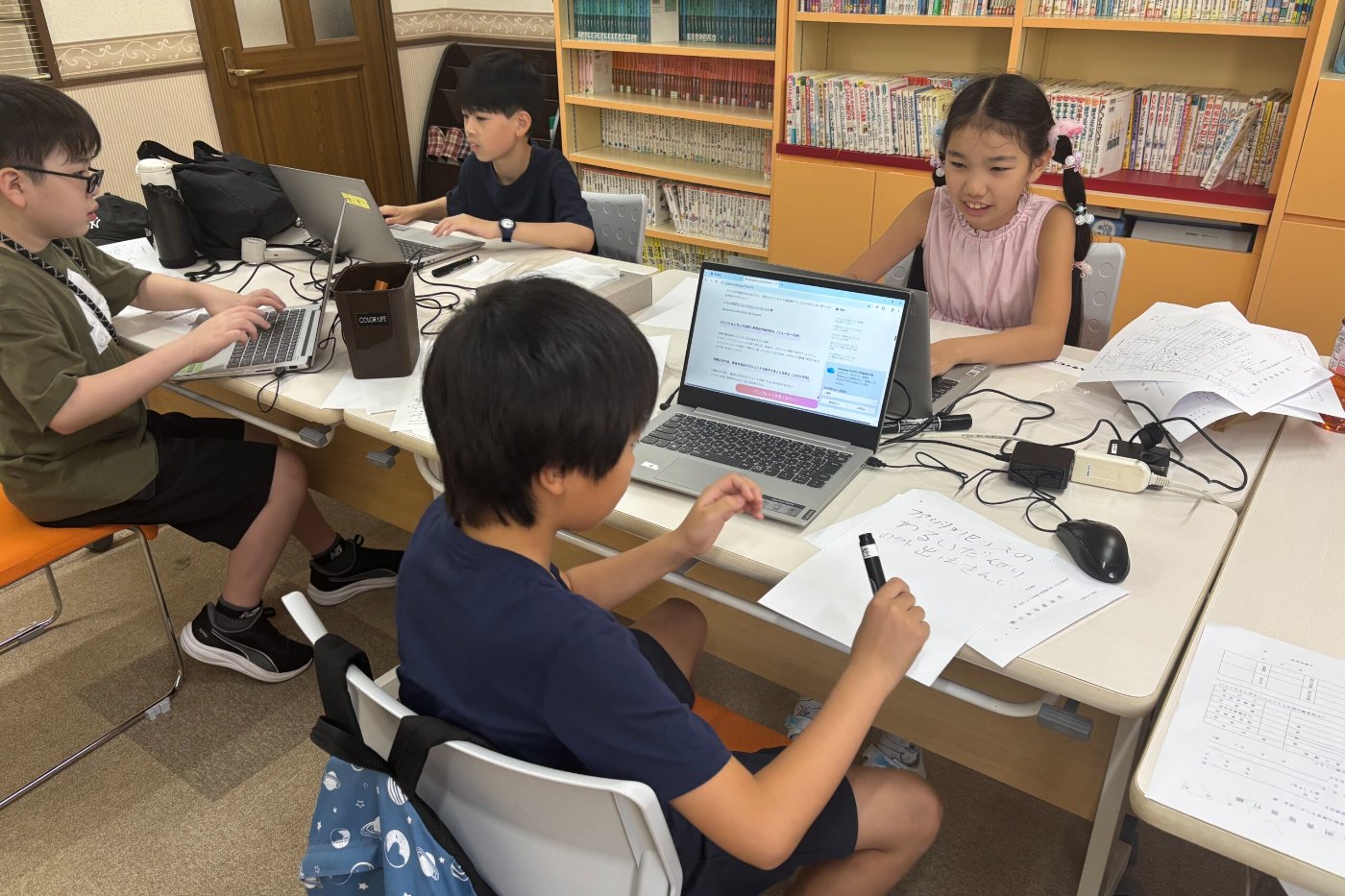
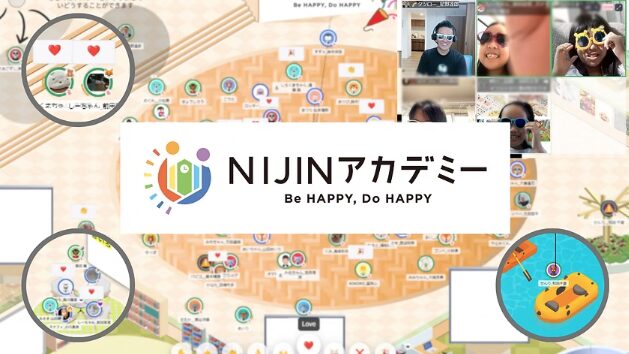
NIJIN Academy is an alternative school in Japan for elementary and junior high school students who do not fit conventional school. It opened in September 2023 and is run by NIJIN Inc., founded by former public school teacher Tatsuro Hoshino. Children join from home through a metaverse campus, choose from about 100 live online classes a month in small, conversation-based groups, and can also go to physical classrooms across Japan. NIJIN describes it as one of the largest alternative schools in Japan.
Figures are those published on NIJIN’s official websites. “Attendance recognition” means the child’s registered school counts learning at NIJIN Academy as school attendance.
Start alone, buy a franchise, or co-found
The County Education Board registers the school, not the brand behind it. What differs is who carries the work and risk.
| Start alone | Buy a franchise | Co-found with an operator | |
|---|---|---|---|
| Model and curriculum | You design it | You buy the franchisor’s | Shared; adapted to Kenya together |
| Ownership | All yours | Your business, under licence | Shared in one local company |
| Up-front money | All yours | Your money plus franchise fees | Depends on the agreement |
We compare the first two in detail in franchise vs own business in education. The third route is what NIJIN offers.
Another route: lead NIJIN Academy Kenya
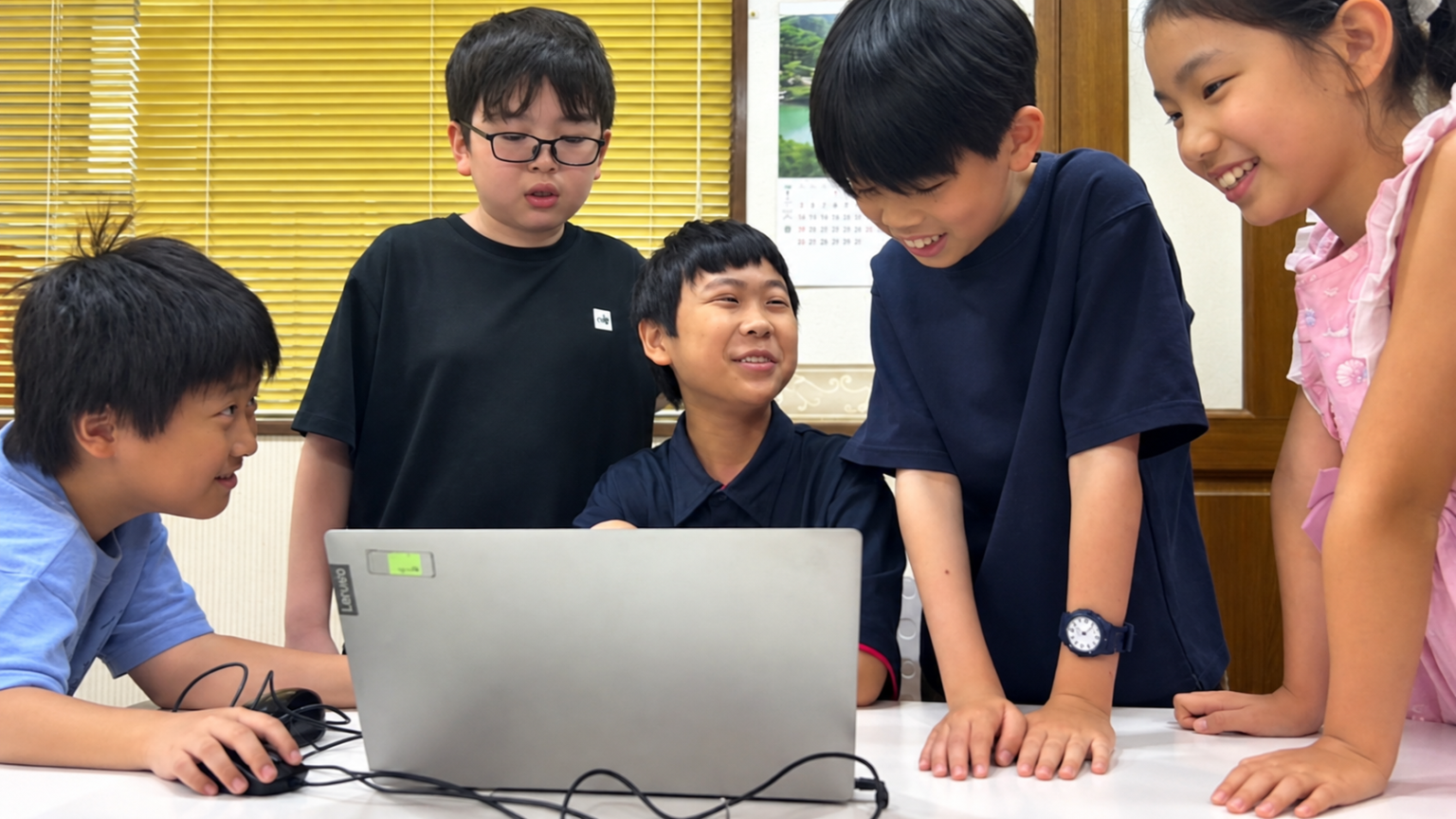
NIJIN is looking for one Country Head for Kenya: the business head and the principal of NIJIN Academy Kenya. This is a founder’s role, not a franchise. Teaching experience is not required; leadership, management, business ability and the skills of a principal are. Ideally you work in Kiswahili, English and Japanese, but English alone is enough to apply.
- Start on a service contract. You can begin on a service contract, even as a side job alongside your current work, and decide later whether to become a co-owner.
- Or co-own a local company. For example, you hold 20% of the shares and NIJIN 80%. If you invest, the guide is JPY 1 to 2 million from you and JPY 4 to 8 million from NIJIN, decided together. Investment is optional.
- Compensation guideline. 10% of revenue (excluding tax) as a guide, either way: JPY 100 million of revenue gives JPY 10 million, JPY 200 million gives JPY 20 million, capped at JPY 50 million from JPY 500 million. No revenue, no pay under this formula. Nothing is guaranteed, and anyone you engage for part of the role is paid from your 10%.
- Everything else in the interview. Location, timing, curriculum, online or in person, and how NIJIN Academy Kenya is registered are to be discussed in the interview.
Questions and answers
How do I register a private school in Kenya?
Register the owning business with BRS through eCitizen, then apply to the County Education Board under section 76 of the Basic Education Act 2013. After inspection, registration is provisional for one year (renewable once), then final.
What are the requirements to start a private school in Kenya?
At minimum, the section 83 items: school details, governance, programmes, staff, infrastructure and a statement of financial ability, plus TSC-registered teachers and suitable premises.
How much does it cost to start a private school in Kenya?
It depends on county, premises and level. Price each item in the cost table with real quotes, and get the prescribed fees from the county office.
How do I start a kindergarten school in Kenya?
Apply to the County Education Board under section 13 of the Early Childhood Education Act 2021. Provisional registration lasts twelve months.
Can I start a school business in Kenya with just a business name certificate?
No. Teaching requires registration of the school under the Basic Education Act; running an unregistered school is an offence (section 50(4)).
Is the NIJIN Country Head a job or a business?
A business that you lead. You can start on a service contract or as a co-owner of a local company. As a guide, compensation is 10% of revenue, capped at JPY 50 million, and it is not guaranteed.
Build a school in Kenya, with a team behind you
NIJIN is looking for one founder to start and lead NIJIN Academy Kenya. Investment is optional and you can begin on a service contract. If you want to start a company in Kenya and solve a problem in education, read the role.
Where to go next
Country Head pages are open for several countries, and the global page covers every other country.
Related guides for founders
- How to start a private school in Nigeria: CAC, state approval and cost items
- How to raise funds for a school
- Franchise vs own business in education
- How to start a school without money
- How to start a microschool
- How to start a tutoring business
Sources
Laws are quoted from the consolidated versions on Kenya Law as read in November 2026. Please check the originals for later amendments.
- https://new.kenyalaw.org/akn/ke/act/2013/14/eng@2022-12-31
- https://new.kenyalaw.org/akn/ke/act/ln/2015/39/eng@2022-12-31
- https://new.kenyalaw.org/akn/ke/act/2021/3/eng@2022-12-31
- https://brs.go.ke/companies-registry/
- https://www.education.go.ke/sites/default/files/2023-01/Guidelines%20for%20Implementation%20of%20Junior%20Secondary%20Education%2017th%20Jan-compressed.pdf
- https://www.education.go.ke/sites/default/files/2022-12/BASIC%20STANDARD%20REQUIREMENTS%20FOR%20REGISTRATION.pdf
- https://kicd.ac.ke/cbc-materials/curriculum-designs/
- https://kicd.ac.ke/
- https://documents1.worldbank.org/curated/en/099062624142031212/pdf/P17920913009ff07f1ac89197ddf60aebe9.pdf
- https://www.unicef.org/kenya/stories/hope-children-who-dropped-out-school
- https://nijin.co.jp/recruit/nijin-academy-kenya-country-head/