For education founders
Homeschooling in Malaysia is allowed only as an exemption: for primary-age children, the Ministry of Education (KPM/MOE) treats home schooling as “a privilege, not a right”, granted by the Minister under subsection 29A(2) of the Education Act 1996, mainly for children with chronic health conditions who need close care at home. Families apply through their State Education Department (Jabatan Pendidikan Negeri, JPN), and the published conditions include Malaysian citizenship, a parent with a professional teaching qualification teaching full time, and use of the national curriculum.
That is stricter than many homeschool Malaysia guides suggest. This guide reads the Ministry’s own page, then covers SPM and IGCSE, online homeschool and learning centres, cost items and curriculum. The last part is for founders.
In this article
- Is homeschooling legal in Malaysia?
- Homeschool Malaysia requirements: the nine conditions
- How the application works, step by step
- Expatriate and international families
- Homeschool Malaysia SPM and IGCSE: getting a qualification
- Online homeschool Malaysia and learning centres: what the label can mean
- Homeschool Malaysia price: the cost items to compare
- Choosing a homeschool curriculum in Malaysia
- What a founder can build inside the rules
- NIJIN Academy Malaysia: the role
- How a founder could start
- Questions and answers
Is homeschooling legal in Malaysia?
Short answer: Yes, but only with an exemption. For a Malaysian primary-age child, the Minister can exempt a pupil from compulsory education under subsection 29A(2) of the Education Act 1996. Families apply through the state education department (JPN), and the Ministry of Education calls home schooling “only a privilege and not a right”. For secondary-age children, ask the JPN.
For a primary-age Malaysian child, homeschooling is lawful only with an exemption from compulsory education. The Ministry of Education’s home schooling page sets out the policy.
It describes home schooling as given to children who need it, such as those with a chronic health problem needing close parental care, and adds that it is “only a privilege and not a right”; children are expected to attend school, where they interact with each other.
| Document | What it does |
|---|---|
| Education Act 1996 (Act 550), subsection 29A(2) | Lets the Minister, by order published in the Gazette, exempt any pupil or class of pupils from compulsory education, absolutely or with conditions, and revoke or change the exemption at any time |
| Professional Circular (Surat Pekeliling Ikhtisas) No. 14/2002, dated 27 November 2002 | Implementation of compulsory education at primary level from 2003, with guidelines |
| Professional Circular No. 2/2005, dated 31 May 2005 | Guidelines for processing applications for exemption from compulsory primary education |
| Effective date | Home schooling under this policy took effect on 28 June 2003 |
For founders, this means “homeschool” is not a category a provider can sign families up to; it is a decision about one child. The policy is also written for the primary level; for secondary-age children, ask the JPN or KPM for the current position.
Homeschool Malaysia requirements: the nine conditions
The Ministry lists these conditions “in general”:
- Citizenship. The applicant must be a Malaysian citizen.
- Teaching qualification. The applicant must hold a professional teaching qualification (kelulusan ikhtisas perguruan).
- A full-time parent teacher. One parent must be willing to teach the child full time at home.
- National curriculum. The national curriculum must be used.
- Suitable facilities. The family must be able to provide a conducive, complete learning environment.
- A home visit before approval. Officers from KPM, the JPN and the District Education Office (Pejabat Pendidikan Daerah, PPD) visit to check the home schooling facilities.
- Visits at any time. The family must allow officers to visit on any school day to monitor teaching and learning.
- No tuition. A child approved for home schooling is not allowed at all to attend daily tuition, private or government.
- Revocation. If conditions are breached, approval is cancelled and the child must be re-enrolled in school immediately.
The eighth condition matters most for founders: a tuition or learning centre aimed at MOE-approved homeschoolers may offer something those children may not attend. Check with the JPN first.
How the application works, step by step
The Ministry describes a short route. The form is held by the JPN.
- Ask the JPN in your state for the application form. Applications can be made through any JPN in the country.
- Submit the form to the JPN with the documents it asks for.
- Home visit. Officers from KPM, the JPN and the PPD check whether the home is suitable for home schooling.
- Review and decision. The case is referred to the Director-General of Education (KPPM) for comment and then to the Minister of Education for a decision.
- If approved, expect monitoring. Officers may visit on any school day; breaching a condition ends the approval and the child returns to school.
A summary of the Ministry’s published policy, not legal advice.
Expatriate and international families
Many articles say foreign families in Malaysia may homeschool freely. The Ministry’s page does not say that: it says the exemption route is for Malaysian citizens and is silent on non-citizen children. Foreign families, and founders serving them, should ask the JPN or the Private Education Division (Bahagian Pendidikan Swasta, BPSwasta) in writing.
By comparison, in homeschooling in Singapore the exemption route runs through the PSLE; in homeschooling in Indonesia it is a registered pathway in law. Malaysia’s published policy is the narrowest.
Homeschool Malaysia SPM and IGCSE: getting a qualification
“Homeschool Malaysia SPM” and “IGCSE homeschool Malaysia” ask the same thing: which certificate will my child hold at the end?
| SPM (Sijil Pelajaran Malaysia) | Cambridge IGCSE | |
|---|---|---|
| Who runs it | The Examinations Syndicate (Lembaga Peperiksaan, LP) of the Ministry of Education | Cambridge International Education (a foreign awarding body) |
| Route for a learner outside school | Ask the LP or JPN whether and how a homeschooled child can sit as a private candidate (calon persendirian), and which subjects are compulsory | Cambridge accepts “private candidates”: learners who sit its exams without attending a Cambridge centre |
| Who enters the child | Confirm with the LP for the current year | A Cambridge centre or approved exam provider in the country that accepts private candidates; the family pays that centre |
Cambridge says its exams are designed mainly for students at registered centres; the centre makes the entries and handles results and certificates. Before paying a provider that promises IGCSE, ask which centre will enter your child and check it on Cambridge’s “find a Cambridge school” service.
Families with MOE approval must use the national curriculum, so raise any IGCSE plan with the JPN when applying.
Want to build a place in Malaysia for children who do not fit school?
NIJIN Academy is an alternative school in Japan, opened in September 2023, for children who do not fit conventional school. It combines a metaverse campus, about 100 live online classes a month and 50+ physical classrooms across Japan. NIJIN is looking for one founder to start and lead NIJIN Academy Malaysia, as both its business head and its principal. Teaching experience is not required.
See the Country Head role in MalaysiaOnline homeschool Malaysia and learning centres: what the label can mean
In everyday use, “homeschool” often means something other than the Ministry’s exemption: a centre teaching a foreign curriculum, an online school, or a small group with a tutor. These are different things in law.
| What is offered | What the family gets | The question to ask |
|---|---|---|
| MOE-approved home schooling | Parent teaches at home with the national curriculum, under monitoring | Does any outside class break the “no tuition” condition? |
| Online school based abroad | A foreign curriculum and live or recorded lessons from home | Where is the child legally enrolled, and how does this sit with compulsory education in Malaysia? |
| Learning or “homeschool” centre | A building, a timetable, tutors and peers | Is it registered with the Ministry as a private educational institution, and in which category? |
For a founder opening a centre, the Ministry’s page on private educational institutions (Institusi Pendidikan Swasta, IPS) gives the starting conditions:
- Establishment. The application form (BPS01) is available from the JPN and BPSwasta. The applicant must be a company registered under the Companies Act 1965 or the Registration of Businesses Act 1956, or an organisation registered under the Societies Act 1966, and must show financial capacity.
- Registration. A separate registration form from the state JPN. Premises need approval from the local authority, the Fire and Rescue Department (Bomba) and the Health Office.
- People, facilities, fees. Names of the governor (pengelola), teachers and staff; set requirements for subjects, classrooms and laboratories; a registration fee.
The wider set-up questions are covered in how to start an online school and how to start a homeschool co-op.
Homeschool Malaysia price: the cost items to compare
There is no official fee schedule, so this guide lists items, not amounts. Ask every provider to price each in writing, including the payment schedule:
- Registration, deposit and monthly or term fees, and the live hours included.
- Curriculum and materials: textbooks, digital platforms, devices and internet.
- Exam costs: SPM private-candidate fees if applicable, or IGCSE entries plus the centre’s own charges.
- Specialist teachers, activities and transport.
- A parent’s time. For MOE approval, one parent teaching full time is a condition.
Choosing a homeschool curriculum in Malaysia
For an MOE-approved family the national curriculum is required. For anyone else, “which curriculum” is four questions:
- Which certificate does the child need, and who accepts it?
- Which languages, at what level?
- Who teaches, and how many adults know the child by name?
- Can the child return to a government school at the right age cohort?
Parent communities, from a “Malaysian homeschool tribe” group to “homeschooling Malaysia reddit” threads, share useful experience, but they are not regulators.
Reading figures: World Bank, Malaysia Learning Poverty Brief (July 2021), reading data from SEA-PLM 2019 (Grade 5), adjusted for out-of-school children; enrolment from 2017 administrative data. Effective date: Ministry of Education Malaysia, home schooling page.
Almost every child is enrolled, yet many are not reading well, and the family-only route is narrow by design.
What a founder can build inside the rules
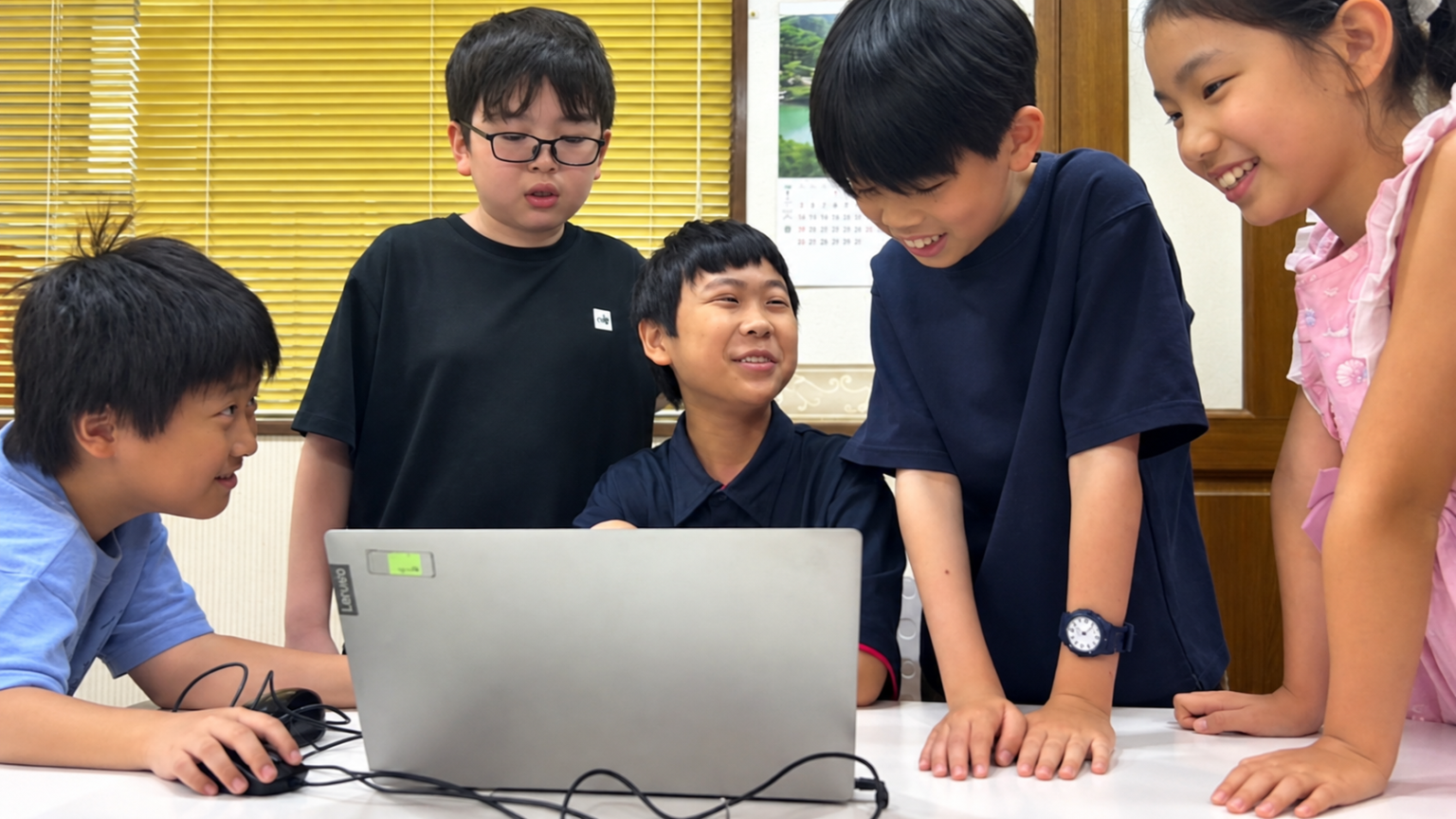
Put the Ministry’s conditions next to what families search for, and a gap appears. Many families have no qualified teacher at home, cannot give up an income, or have a child who is not ill but does not fit the classroom. They want a safe, legal, recognised place to learn, with peers.
An education business can meet that need by choosing a recognised category first, with the JPN and BPSwasta, and building inside it. For a side-by-side of the formats, see homeschooling vs online school vs alternative school.
NIJIN Academy Malaysia: the role
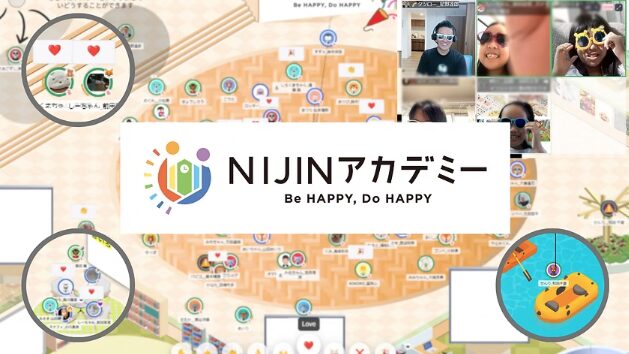
NIJIN Academy, founded by former public elementary school teacher Tatsuro Hoshino, is for children in Japan who do not fit conventional school. Children join a metaverse campus from home, choose from about 100 small, discussion-based live classes a month, and can also attend physical classrooms. NIJIN describes it as one of the largest alternative schools in Japan.
Figures are those published on NIJIN’s official websites. “Attendance recognition” means the child’s registered school in Japan counts learning at NIJIN Academy as school attendance. Japan’s rules differ from Malaysia’s; nothing here suggests the same arrangement exists in Malaysia.
NIJIN is looking for a Country Head for Malaysia: one person who starts NIJIN Academy Malaysia and leads it as both business head and principal. Which form and registration fit Malaysia is not decided in advance; working that out with the JPN and BPSwasta is part of the role.
How a founder could start
You can start on a service contract, even as a side job alongside your current work. You can also set up a local company with NIJIN as a co-owner, for example 20% of the shares for you and 80% for NIJIN; the actual structure is decided in the interview, with professional advice under Malaysian law. Investment is optional: if you invest, the guide is JPY 1 to 2 million from you and JPY 4 to 8 million from NIJIN, decided with you. This is not a franchise. Either way, the compensation guide is the same.
| Revenue (excluding tax) | Country Head’s compensation, as a guide (10%) |
|---|---|
| JPY 100 million | JPY 10 million |
| JPY 200 million | JPY 20 million |
| JPY 500 million or more | JPY 50 million (cap) |
| No revenue | None under this formula |
A guide, not a forecast or a promise of income. Amounts are in Japanese yen only. If you hand part of the work to someone else, they are paid out of your 10%. Other terms are to be discussed in the interview.
We look for leadership, management, business ability, the skills of a principal and hiring experience. English alone is enough to apply.
Questions and answers
Is homeschool di Malaysia allowed?
For a primary-age Malaysian child, only with a Minister’s exemption under subsection 29A(2) of the Education Act 1996, described by the Ministry as “a privilege, not a right”.
What are the homeschool Malaysia requirements?
Malaysian citizenship, a teaching qualification, a full-time parent teacher, the national curriculum, suitable facilities, home visits and no daily tuition.
Can a homeschooled child take SPM in Malaysia?
Ask the Lembaga Peperiksaan or your JPN whether and how your child can register as a private candidate this year.
How does IGCSE homeschool Malaysia work?
Through a Cambridge centre or approved provider that accepts private candidates; not every syllabus is open to them.
Is online homeschool Malaysia the same as MOE home schooling?
No. MOE home schooling is a parent-taught exemption; an online school is a provider. Ask where your child is legally enrolled.
How much is the homeschool Malaysia price?
There is no official fee schedule. Compare the cost items above, and count a parent’s time.
Is the Country Head role a job or a business?
A business you lead. The Country Head is the founder, business head and principal of NIJIN Academy Malaysia. You can begin on a service contract, even as a side job, or as a co-owner of a local company. Compensation is 10% of revenue as a guide, with no guaranteed income.
Build a place in Malaysia for children who do not fit school
If you want to start a company in Malaysia and solve a problem in education, and you have led and hired a team, read the role and apply. Teaching experience is not required.
Where to go next
- Tuition Centre Malaysia: How to Open One, Step by Step
- Malaysia
- Singapore
- Indonesia
- Thailand
- Country Head (global)
- NIJIN careers in English
Related guides
- Homeschooling in Singapore: MOE rules, PSLE and options
- Homeschooling in Indonesia: sekolahrumah, PKBM and Paket
- Homeschooling vs online school vs alternative school
- Online school Thailand: law, homeschooling and how to choose
- How to start a homeschool co-op
- How to start an online school
- How to start a microschool
Sources
All figures are quoted with the year they refer to. Ministry pages were viewed on 19 November 2026; please check the originals for later updates.
- https://www.moe.gov.my/home-schooling
- https://www.moe.gov.my/institut-pendidikan-swasta
- https://documents1.worldbank.org/curated/en/249371624612646747/pdf/Malaysia-Learning-Poverty-Brief-2021.pdf
- https://www.cambridgeinternational.org/exam-administration/private-candidates/
- https://www.cambridgeinternational.org/why-choose-us/find-a-cambridge-school/
- https://nijin.co.jp/recruit/nijin-academy-malaysia-country-head/
- https://academy.nijin.co.jp/